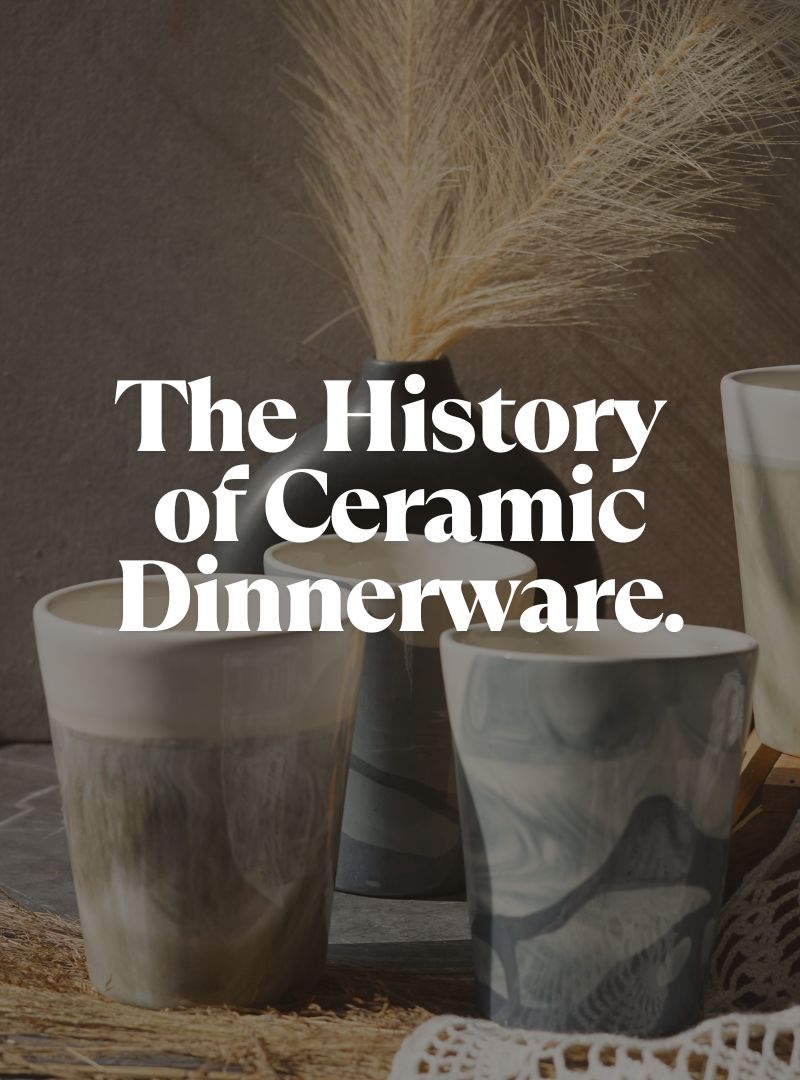
The use of ceramic dinnerware dates back to early human civilizations, from the clay pots of Mesopotamia to the fine porcelain of China. Different cultures have contributed to the advancement of ceramic tableware, with innovations in glazing techniques, intricate designs, and enhanced durability.
The first known ceramic dishes were handcrafted and fired in open flames. As civilizations advanced, kilns were developed to produce stronger and more refined pieces. The Chinese were pioneers in porcelain, creating exquisite blue-and-white designs that became highly valued worldwide. In Europe, ceramic tableware evolved through earthenware and stoneware before fine bone china became popular.
Today, ceramic dinnerware remains a staple in homes and restaurants. Advances in technology have made ceramics more durable, microwave-safe, and stylish, catering to modern dining needs
The Future of the Ceramic Home Decor Market
The global home decor market is witnessing a surge in demand for ceramic-based products due to their eco-friendly nature, durability, and artistic appeal. With sustainable materials and innovative designs gaining popularity, ceramic decor is expected to dominate modern interior aesthetics.
One of the biggest trends in ceramic decor is the use of handmade and artisanal pieces. Consumers appreciate the uniqueness and craftsmanship of handmade ceramic vases, tiles, and sculptures. Additionally, technological advancements such as 3D printing allow for more intricate and customizable ceramic designs.
Sustainability is another driving factor in the ceramic decor industry. Many brands are adopting eco-friendly production methods, using recycled materials and reducing waste. Smart ceramics, which integrate technology like self-cleaning or heat-resistant properties, are also emerging trends.